
Japanese beauty organizer aesthetics are more than just neat displays; they represent a meticulous blend of functionality, cultural values, and mindful design. From meticulously chosen color palettes to the strategic placement of every item, this approach transcends simple organization, offering a holistic and aesthetically pleasing experience. This exploration delves into the core principles, practical applications, and cultural context of this impactful design philosophy.
This aesthetic prioritizes minimalism and functionality, creating a harmonious space where beauty and practicality converge. By examining visual inspirations, product recommendations, and DIY projects, we’ll unveil the secrets behind this impactful design philosophy. This is more than just arranging products; it’s about cultivating a serene and organized environment for self-care.
Defining the Aesthetic
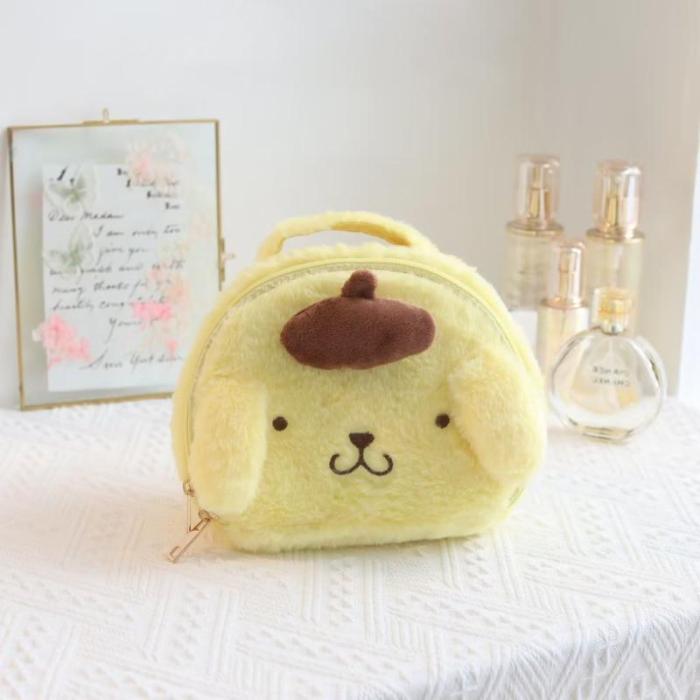
The Japanese beauty organizer aesthetic transcends mere organization; it’s a philosophy that blends functionality with a refined aesthetic. This approach emphasizes meticulous arrangement and visual harmony, often reflecting a deep-seated cultural appreciation for order and tranquility. The underlying principles extend beyond practicality, touching upon a profound respect for the beauty in simplicity and the power of mindful decluttering.This aesthetic is more than just a trend; it’s a manifestation of a cultural ethos that values the harmonious integration of beauty and utility.
It speaks to a desire for a mindful, organized space that promotes a sense of calm and well-being. This translates into a visual language that is simultaneously minimalist and captivating.
Visual Characteristics
The Japanese beauty organizer aesthetic is characterized by a series of carefully considered visual elements. These elements contribute to a sense of calm, sophistication, and intentional design. Visual harmony is paramount.
- Emphasis on Clean Lines and Symmetry: Items are arranged in a manner that creates visual balance and harmony. This could involve arranging items symmetrically or using carefully considered, clean lines in the design of storage containers. The goal is to avoid clutter and create a sense of order, which is often achieved through carefully measured spacing and deliberate placement.
- Color Palette Considerations: Neutral tones, such as beige, white, gray, and muted pastels, are frequently employed. These colors are often chosen for their ability to create a tranquil and uncluttered atmosphere. Earthy tones and natural wood tones are also common, drawing inspiration from the natural world. Accents of deeper, richer colors can be used to add visual interest without disrupting the overall calm and organized feeling.
- Material Selection: Natural materials, like wood, bamboo, and rattan, are often preferred for their warmth and connection to nature. These materials frequently complement the color palette, contributing to the serene atmosphere. Sleek, modern materials like glass or metal are also used to add a touch of sophistication and modernity, often with a focus on transparency to showcase the contents.
Underlying Principles and Values
This aesthetic is rooted in a respect for order, efficiency, and mindful living. These principles are crucial to understanding the aesthetic’s appeal.
- Minimalism and Functionality: The aesthetic prioritizes only what is essential. Every item serves a purpose and is carefully chosen to maximize its utility. This aligns with a deep-seated cultural appreciation for efficiency and a desire to eliminate unnecessary possessions.
- Organization and Decluttering: Decluttering is not just about removing items; it’s about carefully curating and organizing the remaining possessions to optimize space and promote a sense of calm and clarity. This mindful process extends to both the physical and mental spheres, fostering a sense of control and peace.
Cultural Influences
The aesthetic draws inspiration from various cultural and philosophical concepts.
- Japanese Aesthetics (Wabi-Sabi, Minimalism): Concepts like Wabi-Sabi, which embraces imperfections and impermanence, contribute to the aesthetic’s appreciation for natural materials and understated beauty. Minimalism, a philosophy that emphasizes simplicity and functionality, is also strongly reflected in the careful selection of items and the overall design.
- Zen Buddhist Principles: The emphasis on mindfulness and the creation of a peaceful environment echoes principles of Zen Buddhism. The aim is to foster a sense of calm and clarity through thoughtful organization.
Color Palettes and Material Choices
These choices play a vital role in establishing the desired atmosphere.
| Color Palette | Material Choices |
|---|---|
| Neutral tones (beige, white, gray, muted pastels) | Natural materials (wood, bamboo, rattan) |
| Earthy tones | Glass, Metal (Sleek, modern materials) |
Practical Applications
Transforming a beauty collection from a chaotic jumble to a curated symphony of organized elegance requires a strategic approach. This aesthetic, focused on minimalist sophistication and a harmonious color palette, demands a systematic method for storage and display. The key lies in maximizing space, minimizing clutter, and creating a visually appealing environment that fosters a sense of calm and productivity.This organized beauty space transcends mere functionality; it’s a reflection of personal style and a source of daily inspiration.
By employing a tailored organization system, individuals can elevate their beauty routines and cultivate a more serene and aesthetically pleasing space.
Sample Organization System
A practical organization system for a beauty collection begins with a clear categorization scheme. Group items by function (e.g., makeup, skincare, haircare) and then further subdivide by type (e.g., eyeshadow palettes, moisturizers, hair masks). This structured approach allows for easy retrieval and minimizes wasted time searching for specific products.
Storage Containers and Accessories
Employing a range of containers is crucial for maximizing space and maintaining the aesthetic. Transparent containers, glass jars, and sleek, minimalist storage boxes provide clear visibility and a refined appearance. Consider using decorative trays and organizers to separate categories visually. For example, a bamboo tray can be used to hold skincare products, while a woven basket might house hair accessories.
- Transparent containers: These enable easy identification of products without the need to open every container. Choose containers with a consistent color scheme or material for visual cohesion.
- Glass jars: These can be used for loose powders, or for displaying curated skincare samples. Consider the size and shape of the jar to match the product it holds.
- Storage boxes: Choose boxes with a clean, minimalist design that complements the aesthetic. Consider using different sizes and shapes to accommodate various items, such as makeup brushes, eye shadow palettes, or skincare sets.
- Decorative trays and organizers: These are key for visually separating categories and adding a touch of sophistication. Choose materials that align with the chosen aesthetic, such as bamboo, wood, or metal.
Optimizing Space Utilization
Vertical space is often overlooked. Utilize wall-mounted shelves, or stackable organizers to maximize storage in limited areas. Multi-tiered trays can also be used to store various items in one place, while maximizing vertical space. Consider the height of the containers to optimize space effectively.
- Vertical storage: Employ wall-mounted shelves, or stackable organizers to store items vertically, taking advantage of otherwise unused space.
- Multi-tiered trays: These offer a way to store a variety of items while maintaining a streamlined and aesthetically pleasing presentation.
- Space-saving containers: Consider stacking containers of similar sizes to optimize vertical space utilization.
Categorizing and Labeling Items
Clear labeling is paramount for swift retrieval and maintaining a clutter-free environment. Use labels that complement the overall aesthetic, for instance, minimalist labels or adhesive labels with a subtle color scheme. This will also ensure that each product can be quickly identified.
- Clear labeling: Use labels that match the color scheme and style of the overall aesthetic. This can involve minimalist text, or subtle color-coded labels for each category.
- Color-coding: A simple color-coding system can aid in organizing items by category or function. For instance, using a specific color for skincare, another for makeup.
- Magnetic strips: These can be used for organizing items like makeup brushes and tools, adding an extra layer of organization and a sleek touch to the space.
Integrating into a Bathroom
In a bathroom setting, consider wall-mounted shelves or vanity organizers. Choose clear containers to maintain a sense of openness and clarity, even in a smaller space. For example, using a tiered tray to hold essential skincare items or a decorative basket to store makeup brushes.
Integrating into a Vanity Area
A vanity area often benefits from a combination of drawers and open shelving. Drawers can be used to store items like makeup palettes and brushes, while open shelves provide a display area for curated collections of skincare or makeup. For example, opt for a small, decorative mirror that also serves as a surface for small items.
Maintaining the Aesthetic
Maintaining this aesthetic involves regular decluttering and routine maintenance. Establish a weekly or monthly cleaning schedule to remove dust and maintain a pristine look. Keep only essential items, and regularly purge items that are no longer used or needed.
- Regular decluttering: Set aside time each week or month to declutter and remove items that are no longer used.
- Routine cleaning: Establish a regular cleaning schedule to prevent dust buildup and maintain the pristine appearance of the organized space.
- Regular purging: Periodically review your collection and remove items that are no longer used or needed to prevent the space from becoming cluttered.
Visual Inspiration

The visual aesthetic of a Japanese beauty organizer hinges on a harmonious blend of tradition and modernity. This aesthetic transcends mere practicality, aiming to create a space that fosters tranquility and reflects the principles of Japanese design. Visual cues, carefully chosen, contribute significantly to the overall experience and evoke a sense of calm and order.This section delves into the visual inspirations underpinning the Japanese beauty organizer aesthetic, analyzing its compositional elements, the interplay of light and shadow, and the significance of texture and pattern.
It examines how these visual elements translate into tangible spaces, highlighting the crucial roles of symmetry and balance. Furthermore, it contrasts various approaches to achieving this aesthetic.
Visual References
The aesthetic draws inspiration from traditional Japanese design principles, often incorporating elements of minimalism, natural imagery, and subtle color palettes. Think of meticulously crafted tea ceremonies, the serene beauty of Zen gardens, and the intricate artistry of traditional Japanese paintings. These visual cues, characterized by a sense of calm and order, provide a powerful starting point.
Compositional Elements
The visual design frequently employs asymmetry, achieving balance through the careful placement of elements. Often, natural forms and lines are prominent, creating a sense of fluidity and harmony. Emphasis is placed on negative space, allowing the viewer to appreciate the tranquility and the delicate balance between elements. For instance, a meticulously arranged collection of beauty products, strategically placed to avoid clutter, yet allowing for easy access, exemplifies this principle.
In addition, natural materials like wood and bamboo often feature prominently.
Light and Shadow
Soft, diffused light, often achieved through natural sources or strategically placed lamps, is paramount. The interplay of light and shadow creates depth and dimension, drawing the eye to key features. This creates a sense of calm and serenity. Natural light, filtering through translucent screens or carefully positioned windows, enhances the feeling of peace and tranquility. For example, a Japanese-inspired room bathed in soft, warm light from a skylight, with subtle shadows enhancing the contours of the room’s structure, will evoke a sense of tranquility.
Textures and Patterns
Natural textures, like wood grain, bamboo, or silk, are commonly employed, providing tactile interest and visual appeal. Simple, understated patterns, often inspired by nature, further enrich the aesthetic. Intricate patterns, such as those found in traditional Japanese textiles, add subtle depth without overwhelming the overall sense of calm. For instance, the subtle pattern of a woven bamboo tray or the soft, muted colors of Japanese textiles can add a touch of sophistication and beauty.
Physical Spaces
This aesthetic translates beautifully into physical spaces. Think of a bathroom or vanity area featuring natural materials like bamboo shelves, wood cabinets, and neutral-toned walls. The use of natural materials fosters a sense of calm and tranquility, while the clean lines and simple design contribute to a sense of order and functionality. A minimalist approach to storage, using transparent containers and drawers, keeps the space feeling airy and uncluttered.
For example, a modern Japanese-style bathroom featuring a sleek, minimalist sink with a natural wood countertop and bamboo shelving, along with a large mirror and soft lighting, embodies the aesthetic.
Symmetry and Balance
Symmetry and balance are integral to the aesthetic. The careful arrangement of objects, use of mirrors, and attention to visual harmony create a sense of serenity and order. In a well-executed Japanese beauty organizer, even the placement of each product is intentional, ensuring a sense of balance and visual harmony. For instance, the careful placement of beauty products on a vanity mirror, in rows or clusters, in a symmetrical or slightly asymmetrical pattern, is a key element.
Different Approaches
Variations in achieving this aesthetic exist. Some interpretations emphasize the minimalist, clean lines of contemporary design, while others incorporate more traditional Japanese elements, such as subtle floral patterns or intricate woodwork. Both approaches, however, emphasize harmony, balance, and a connection to nature. For instance, a contemporary interpretation might use sleek, modern storage solutions with a minimalist color palette, while a more traditional approach might incorporate natural textures like bamboo and delicate floral motifs.
Product Recommendations

Elevating your beauty routine requires the right tools and products. This section details essential items for achieving a Japanese beauty organizer aesthetic, encompassing both functionality and visual appeal. These selections are curated to prioritize quality, durability, and a refined aesthetic that complements the overall organizational system.
Product Categories
This Japanese aesthetic emphasizes meticulous organization and functionality. Products are chosen for their capacity to streamline the routine, improve efficiency, and present a harmonious, visually pleasing environment. A key consideration is how each item contributes to the overall organizational system and visual appeal.
- Storage Containers: Transparent containers are favored for their ability to showcase items while maintaining order. Look for stackable containers with clear lids, allowing easy identification and accessibility. Examples include airtight containers from brands like Pyrex, which are known for their durability and quality, and various brands that offer aesthetically pleasing designs, such as stylish bamboo or acrylic organizers.
- Makeup Brushes and Tools: High-quality synthetic brushes, renowned for their longevity and ability to hold shape, are crucial. Look for sets designed for various applications, from foundation to eyeshadow. Ergonomically designed tools that are aesthetically pleasing and contribute to a smooth, controlled application are also important. Brands known for quality synthetic brushes and ergonomic tools include Sigma and Real Techniques.
- Beauty Blenders and Applicators: These tools are vital for achieving a flawless, airbrushed look. Opt for high-quality, durable sponges or applicators that are easy to clean and maintain. Consider brands known for their consistent quality and texture, like BeautyBlender, known for their sponge formulations and durability.
- Skincare Tools: Facial rollers and gua sha tools, often made of rose quartz or jade, are popular for their aesthetic appeal and purported benefits. Look for tools that feel smooth and comfortable against the skin. Durability is important to withstand frequent use. Brands such as Jade Roller Co. are known for their high-quality, aesthetically-pleasing tools.
- Organization Accessories: This category encompasses everything from drawer dividers to decorative trays. Items should contribute to a sense of order and streamline the workflow. Choose organizers that match the overall aesthetic, blending seamlessly with the storage containers and color scheme. Brands like OXO Good Grips offer a variety of organizers that prioritize both function and design.
Product Selection
Selecting the right products for your needs is crucial. Consider your existing makeup and skincare routines, along with the storage space available. Prioritize functionality and aesthetics.
- Individual Needs: Assess the number of products you use daily. If you have a large collection, consider larger storage containers. For smaller collections, smaller organizers are sufficient. Prioritize the products that you use most frequently for easy access.
- Visual Harmony: Ensure the colors and textures of your products complement the aesthetic. If you prefer a minimalist look, opt for neutral-toned containers and simple tools. If you enjoy a more vibrant approach, choose containers and tools that feature pops of color.
- Quality and Durability: Investing in high-quality products ensures longevity and reduces the need for frequent replacements. Durability ensures the tools will last through your frequent use, maintaining a clean, organized look.
Product Table
The following table provides a comprehensive overview of various product types, brands, and their aesthetic attributes.
| Product Type | Brand | Aesthetic Attributes |
|---|---|---|
| Storage Containers | Pyrex | Durability, transparency, stackable |
| Makeup Brushes | Sigma | High-quality synthetic bristles, ergonomic design |
| Beauty Blenders | BeautyBlender | Soft texture, durable, various shapes |
| Skincare Tools | Jade Roller Co. | Smooth texture, rose quartz or jade material |
| Organization Accessories | OXO Good Grips | Versatile, functional, aesthetically pleasing |
Cultural Context
Japanese aesthetics, deeply rooted in tradition, emphasize harmony, balance, and a profound connection with nature. This cultural ethos extends to the organization of spaces and the practice of beauty, shaping a unique approach to both personal and domestic environments. The principles of
wabi-sabi*, emphasizing the beauty of imperfection and impermanence, are central to this philosophy.
The meticulous attention to detail in Japanese beauty routines, often extending beyond superficial aesthetics, reflects a holistic approach to well-being. This cultural emphasis on mindfulness and self-care informs the organization of beauty products and the overall experience of personal care.
Cultural Significance of Organization
Japanese culture places a high value on order and efficiency. This extends to the organization of living spaces, workplaces, and even personal belongings. The concept oftsukuri*, or the act of creation and crafting, is deeply ingrained in Japanese society, influencing the way people approach organizing and maintaining their surroundings. This is evident in the attention to detail and purposeful design found in traditional Japanese homes and the meticulous arrangement of objects.
Organized spaces are viewed as reflecting a well-ordered mind and a commitment to efficiency.
Historical and Societal Factors
Historically, the emphasis on order and beauty in Japan was intertwined with the development of Zen Buddhism and its principles of mindfulness. The serene and minimalist aesthetic of Zen gardens, for example, emphasizes the appreciation of simplicity and natural beauty. The samurai culture, with its emphasis on discipline and self-control, further contributed to the development of organized and efficient practices.
Societal values around respect for tradition and the meticulous craftmanship of everyday objects are key components in this historical development.
Role of Mindfulness and Aesthetics
Mindfulness is deeply integrated into Japanese culture, influencing various aspects of life, including beauty routines. The act of arranging beauty products, for example, can be a mindful practice, fostering a connection to the present moment and appreciating the beauty of each object. The focus on aesthetics goes beyond superficiality; it’s a way to cultivate appreciation for the beauty in everyday life, and to create a sense of calm and harmony.
Traditional Japanese Aesthetics
Traditional Japanese aesthetics, particularly
- wabi-sabi*, emphasize the beauty of imperfection, asymmetry, and the natural world. This aesthetic philosophy finds expression in the art of
- ikebana* (flower arrangement),
- cha-no-yu* (the Japanese tea ceremony), and the design of traditional gardens. The emphasis on natural materials and the acceptance of natural processes are core principles of this aesthetic.
Impact of Japanese Design Principles on Modern Aesthetics
Japanese design principles, with their emphasis on minimalism, functionality, and natural materials, have profoundly influenced modern aesthetics globally. The use of natural light, clean lines, and uncluttered spaces are examples of how these principles have shaped contemporary design. The focus on simplicity and functionality, coupled with a strong emphasis on quality and craftsmanship, continues to be a driving force in modern design trends.
Relationship Between Nature and Beauty
The profound connection between nature and beauty is a cornerstone of Japanese aesthetics. Traditional Japanese gardens, for instance, are meticulously designed to mimic natural landscapes, with carefully placed rocks, water features, and plants. This appreciation for nature’s beauty extends to the incorporation of natural elements into daily life and beauty routines, such as the use of natural ingredients and the focus on creating a harmonious relationship with the surrounding environment.
DIY Projects
Crafting a beauty organizer with a Japanese aesthetic is more than just assembling shelves; it’s about embodying the principles of simplicity, functionality, and mindful design. This involves understanding the delicate balance between the beauty of natural materials and the efficiency of well-organized storage. By carefully planning and executing DIY projects, you can create personalized spaces that reflect your unique style and enhance your daily routine.
Material Selection
Natural materials, such as bamboo, wood, and woven reeds, are highly favored in Japanese aesthetics. These materials bring warmth and a connection to nature, aligning with the concept of “wabi-sabi,” which embraces imperfection and natural beauty. Bamboo, with its inherent strength and elegance, is a popular choice for creating lightweight, yet sturdy shelves and drawers. Wood, whether stained or painted, can be used to create a more traditional look, emphasizing a sense of permanence and enduring quality.
Shelf and Drawer Construction
Building simple shelves and drawers for your beauty organizer involves meticulous planning and precise measurements. A basic shelf unit can be constructed using readily available materials and tools. For instance, a simple bamboo shelf can be achieved by attaching bamboo strips to a sturdy wooden base. For drawers, consider using repurposed wooden boxes or constructing them from plywood or particle board.
Carefully consider the dimensions and the load capacity of your chosen materials.
Painting and Staining Techniques
Painting or staining wooden components allows for customization and enhances the aesthetic appeal of the organizer. A smooth, even finish is crucial. For a natural look, light stains can be applied, highlighting the natural grain of the wood. For a bolder statement, consider using darker tones or vibrant colors. Using high-quality paints and stains will ensure a durable and long-lasting finish.
The selection of colors and finishes should align with the overall aesthetic and intended function of the beauty organizer.
Planning and Execution
Careful planning is essential to the success of any DIY project. Create detailed blueprints and diagrams to ensure all components fit together seamlessly. Consider the weight distribution and potential stress points on the structure. Thorough planning prevents costly mistakes and ensures a sturdy, long-lasting product. A well-executed project guarantees a functional and visually appealing organizer.
DIY Project Example: A Floating Bamboo Shelf
| Step | Description | Materials |
|---|---|---|
| 1 | Measure and cut bamboo strips to desired length. | Bamboo strips, measuring tape, saw |
| 2 | Attach bamboo strips to a wooden base using wood glue and clamps. | Wood glue, clamps, wooden base |
| 3 | Sand the edges and apply a light stain or sealant to the bamboo. | Sandpaper, stain or sealant |
| 4 | Drill holes in the wooden base for mounting hardware. | Drill, mounting hardware |
| 5 | Attach the shelf to the wall using the mounting hardware. | Mounting hardware, wall anchors (if needed) |
This simple floating bamboo shelf exemplifies the balance of elegance and functionality. It is a great starting point for more complex beauty organizers.
Room Design Integration
Japanese beauty, or wabi-sabi, transcends mere aesthetics; it’s a philosophy that permeates the spaces we inhabit. This approach to design prioritizes mindful minimalism, embracing imperfection and the beauty of natural materials. Integrating this aesthetic into a room isn’t just about choosing the right furniture; it’s about crafting an atmosphere that reflects serenity and mindful living.The beauty of this approach lies in its adaptability.
Whether you’re transforming a bustling city apartment or a tranquil countryside retreat, the principles of wabi-sabi can be seamlessly woven into any room type. This adaptable approach allows for a personalized expression, while still maintaining the core elements of the aesthetic.
Bedroom Integration
The bedroom, a sanctuary for rest and rejuvenation, is ideally suited for embracing wabi-sabi. A minimalist approach to bedding, opting for natural fabrics like linen or cotton, is key. Consider a low, platform bed frame, allowing the focus to shift to the surrounding space. Japanese tatami mats, while not strictly necessary, can evoke a sense of calm and simplicity.
Adding a muted color palette, such as soft grays, greens, or earthy browns, promotes a tranquil atmosphere. Natural light should be maximized, with sheer curtains or blinds allowing the outside world to softly filter into the room.
Study Integration
A study, a space for focus and creativity, can be transformed into a haven of calm using wabi-sabi principles. Avoid cluttered shelves and opt for open shelving with carefully curated items. Natural wood accents, such as a simple wooden desk or a bookshelf, are perfect for this space. Incorporating a minimalist desk setup, with a focus on clean lines and essential tools, encourages productivity.
Lighting should be layered, incorporating ambient lighting from a floor lamp or pendant, to create a warm and inviting atmosphere. Consider incorporating plants to enhance the natural element.
Furniture and Decor Selection
Selecting furniture and decor should prioritize natural materials. Wood, bamboo, and stone are key elements. Choose pieces with clean lines and simple silhouettes, avoiding overly ornate or fussy details. Incorporate items with imperfections, as they embrace the philosophy of wabi-sabi. Avoid clashing patterns and instead opt for neutral colors and textures.
The selection should reflect a curated collection, not an overflowing display.
Color, Light, and Texture
Color palettes should be muted and natural. Earthy tones, grays, and greens are ideal. Natural light is paramount; use sheer curtains or blinds to allow natural light to flood the room. Layered lighting, including ambient, task, and accent lighting, creates a dynamic and welcoming atmosphere. Texture plays a crucial role.
Incorporate natural materials like linen, cotton, and wood for a sense of warmth and authenticity.
Room Design Ideas and Aesthetic Impact
| Room Design Idea | Aesthetic Impact |
|---|---|
| Simple, natural wood furniture with a muted color palette | Creates a serene and calming atmosphere, emphasizing natural elements. |
| Open shelving with carefully curated items | Encourages mindful display and a sense of calm. |
| Natural light maximization and layered lighting | Promotes a warm and inviting ambiance, enhancing the feeling of spaciousness and tranquility. |
Key Elements for a Cohesive Aesthetic
Creating a cohesive wabi-sabi aesthetic requires careful consideration of several key elements:
- Natural Materials: Prioritize wood, bamboo, stone, and natural fibers.
- Minimalism: Curate items carefully, avoiding clutter and unnecessary embellishments.
- Muted Color Palette: Opt for earthy tones, neutrals, and subtle colors.
- Imperfection Embracing: Incorporate items with natural imperfections, reflecting the beauty of the natural world.
- Natural Light: Maximize natural light to create a bright and airy atmosphere.
Comparison with Other Aesthetics
Japanese beauty organizing, with its emphasis on minimalism, functionality, and aesthetic harmony, presents a unique approach to decluttering and creating a serene living space. This style contrasts with other popular organizing methods, each with its own strengths and weaknesses. Understanding these differences allows individuals to tailor the approach to their specific needs and preferences.A comparative analysis of Japanese beauty organizing with other popular styles reveals a blend of familiar principles and distinct characteristics.
The core tenet of prioritizing visual appeal and functionality distinguishes it from purely functional systems. This approach offers a nuanced perspective, incorporating aspects of other organizing styles while retaining its unique aesthetic.
Key Differences and Similarities
The Japanese aesthetic, emphasizing the beauty of simplicity and order, differs from other organizing styles primarily in its emphasis on visual harmony. This contrasts with the more task-oriented approach of some systems, which may prioritize efficiency over aesthetics. However, similarities exist in the common goal of reducing clutter and creating a more organized environment. Both approaches acknowledge the link between order and well-being.
- Minimalism: Both Japanese beauty organizing and Scandinavian minimalism prioritize a clutter-free environment. However, Japanese beauty organizing adds the element of visual appeal and the consideration of the natural environment, going beyond just removing items. Scandinavian minimalism often focuses on neutral tones and simple forms, while the Japanese aesthetic may incorporate bolder colors and textures in a harmonious way.
- Functionality: Both styles value functionality. Japanese beauty organizing prioritizes items that serve a purpose and are aesthetically pleasing, whereas some functional systems might prioritize organization over visual appeal. This distinction makes Japanese beauty organizing a holistic approach.
- Visual Harmony: The Japanese beauty organizing aesthetic places strong emphasis on visual harmony, often incorporating natural elements and symmetry. This stands in contrast to other organizing systems that might focus more on the efficient use of space. For example, a KonMari approach may focus on discarding items based on emotional attachment without necessarily prioritizing visual aesthetics.
Strengths and Weaknesses of Each Style
Comparing the strengths and weaknesses of various organizing styles offers valuable insights for informed decision-making. The analysis reveals that each approach has unique advantages and limitations.
| Organizing Style | Strengths | Weaknesses |
|---|---|---|
| Japanese Beauty Organizing | Focuses on visual harmony, promotes mindfulness, encourages mindful use of space, enhances well-being | May not be suitable for individuals with very specific or demanding organizational needs, can be time-consuming if not used in a mindful manner, might require a larger investment in appropriate containers and storage solutions. |
| KonMari Method | Emphasizes discarding items that no longer spark joy, reduces clutter effectively, focuses on emotional attachment | Can be emotionally challenging for some individuals, may not always align with the principles of visual appeal, might not be as practical for individuals with large or complex collections. |
| The Flylady System | Focuses on tackling tasks, provides structure and accountability, is effective for maintaining daily order | May not emphasize aesthetic appeal, may not be suitable for individuals who prefer a more relaxed approach to organization, can feel rigid for some users. |
Versatility and Adaptability
The versatility of Japanese beauty organizing lies in its adaptability to diverse tastes. It can be tailored to suit individuals with varying preferences by incorporating personal touches while maintaining the core principles. For instance, one could incorporate vibrant colors or bold patterns into the design, while still adhering to the fundamental concept of visual harmony.
Future Trends
The Japanese beauty organizer aesthetic, deeply rooted in meticulous organization and mindful design, is poised for exciting evolution. Factors like the growing global interest in minimalism, sustainability concerns, and advancements in technology are propelling this aesthetic into new and innovative directions. This exploration anticipates how these trends will shape the future of this aesthetic, including its incorporation of emerging technologies.
Potential Developments in Materiality
The aesthetic’s focus on sustainability is driving a shift towards eco-friendly materials. Recycled plastics, biodegradable resins, and natural fibers are gaining traction as alternatives to traditional materials. Brands are incorporating these materials to create visually appealing and environmentally conscious organizers. For instance, a growing number of companies are using bamboo or recycled paper for storage containers, emphasizing both beauty and sustainability.
Furthermore, the emphasis on functionality and longevity is expected to encourage a move towards modular systems that allow for easy customization and upgrades, reducing the need for frequent replacements.
Integration of Technology
Smart home integration is likely to become a defining feature. Connected organizers, equipped with sensors and automated systems, will likely allow users to monitor inventory levels, receive alerts about potential expiration dates, and customize lighting or ventilation. These systems will not only enhance functionality but also improve the user experience. Examples include smart storage solutions that adjust humidity or temperature automatically, and digital organizers that track cosmetic expiration dates and offer personalized recommendations.
Furthermore, virtual reality and augmented reality (VR/AR) experiences may allow users to visualize their organized spaces and explore different arrangement possibilities before implementing them.
Emerging Design Themes
The design world is embracing new themes. The concept of “slow design,” emphasizing quality over quantity and durability over disposability, aligns perfectly with the core values of this aesthetic. This movement prioritizes timeless design elements over fleeting trends. Additionally, a focus on personalization and customization will be crucial, enabling users to tailor their organizing systems to their specific needs and preferences.
For example, the rising popularity of modular systems and interchangeable components caters to this trend. Furthermore, the aesthetic will likely integrate biophilic design elements, incorporating natural light and organic forms into the design of storage solutions to foster a sense of well-being and connection with nature.
Evolution of the Aesthetic
The aesthetic is expected to evolve towards a more personalized and customizable approach. Individual needs and preferences will drive the design of storage solutions. This will likely involve a rise in bespoke, custom-made organizers. Furthermore, the emphasis on sustainability and minimalism will become even more pronounced. The use of sustainable materials and the simplification of designs will become a hallmark of the aesthetic, reflecting the desire for a more environmentally conscious lifestyle.
For instance, customizable modular systems will allow users to adapt the aesthetic to their specific needs.
Incorporating New Technologies
New technologies will enhance the experience and functionality of beauty organizers. Smart storage systems will monitor and regulate humidity, temperature, and even light levels, optimizing the storage environment for cosmetics. These systems will likely utilize AI to provide personalized recommendations for product placement and maintenance. For instance, AI-powered organizers might analyze the user’s cosmetic routines and suggest the optimal storage location for each item, or predict potential cosmetic deterioration based on environmental factors.
Furthermore, interactive displays integrated into organizers might offer virtual tutorials or beauty advice.
Sustainability and Ethics
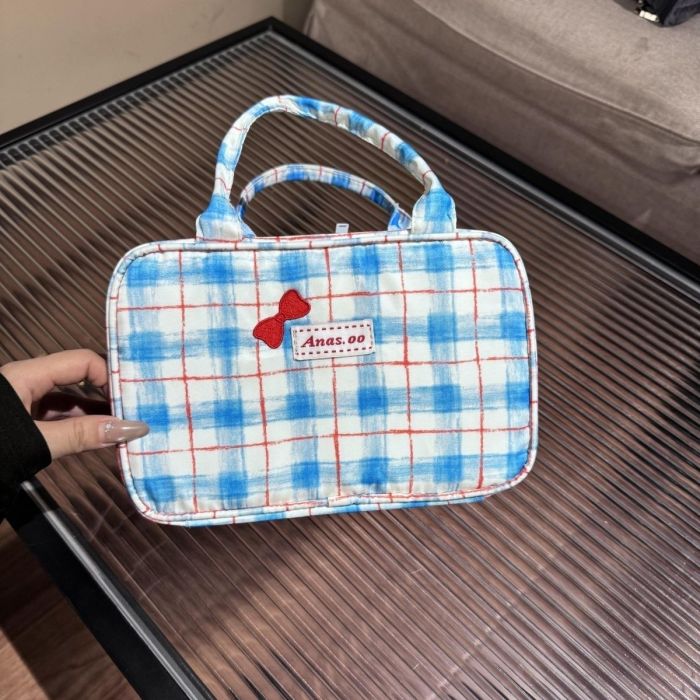
The Japanese beauty organizer aesthetic, with its emphasis on minimalism and functionality, can be readily adapted to prioritize sustainability and ethical sourcing. A commitment to eco-friendly materials and responsible production practices enhances the aesthetic’s appeal while minimizing its environmental footprint. This approach also fosters a stronger connection to the principles of the aesthetic, aligning it with conscious consumerism.The beauty of the Japanese aesthetic lies in its inherent ability to adapt to a sustainable ethos.
The core values of simplicity, functionality, and respect for tradition can be translated into environmentally responsible choices, elevating the overall experience for consumers.
Eco-Friendly Materials
A focus on sustainable materials is essential. Bamboo, recycled plastic, and sustainably harvested wood are excellent replacements for traditional materials, reducing reliance on resources with significant environmental impact. Natural fibers like linen and organic cotton can be incorporated into storage solutions and accessories, providing a touch of both elegance and eco-consciousness. These choices also often offer comparable or even superior performance to conventional materials, without compromising the aesthetic.
Sustainable Sourcing and Manufacturing
Ethical sourcing is paramount. Prioritizing locally sourced materials reduces transportation emissions and supports local economies. Looking for certifications like Fair Trade and Forest Stewardship Council (FSC) ensures that products are manufactured responsibly, considering worker rights and environmental safeguards throughout the supply chain.
Sustainable and Ethical Product Options
- Bamboo storage containers: These offer a natural alternative to plastic and are often easily biodegradable or compostable.
- Recycled plastic organizers: Using recycled plastic in the manufacturing of organizers drastically reduces reliance on virgin materials and conserves resources.
- Locally sourced wood organizers: Sourcing wood from responsibly managed forests and using locally-made organizers minimizes the environmental impact of transportation and supports local communities.
- Natural fiber storage baskets: Natural fibers like seagrass or rattan offer an elegant and eco-friendly alternative to plastic or synthetic materials.
- Reusable storage containers: Switching to reusable containers reduces reliance on disposable packaging and decreases the overall amount of waste generated.
Minimizing Environmental Impact
Minimizing the environmental impact of implementing this aesthetic hinges on careful consideration of every stage of the process. Choosing products with minimal packaging, reducing single-use items, and opting for durable, long-lasting solutions all contribute to a lower carbon footprint. Repairing and repurposing existing organizers instead of constantly replacing them also reduces waste and encourages a more circular economy approach.
Practical Applications
The Japanese beauty organizer aesthetic can be perfectly integrated with a circular economy approach, encouraging consumers to reuse, repair, and recycle. For example, a beautiful wooden box can be repurposed for storing seasonal items, or a vintage fabric can be transformed into decorative accents. This mindful approach reflects the Japanese philosophy of appreciating the present moment and reducing waste, thereby extending the lifespan of items and reducing the need for constant consumption.
Final Summary
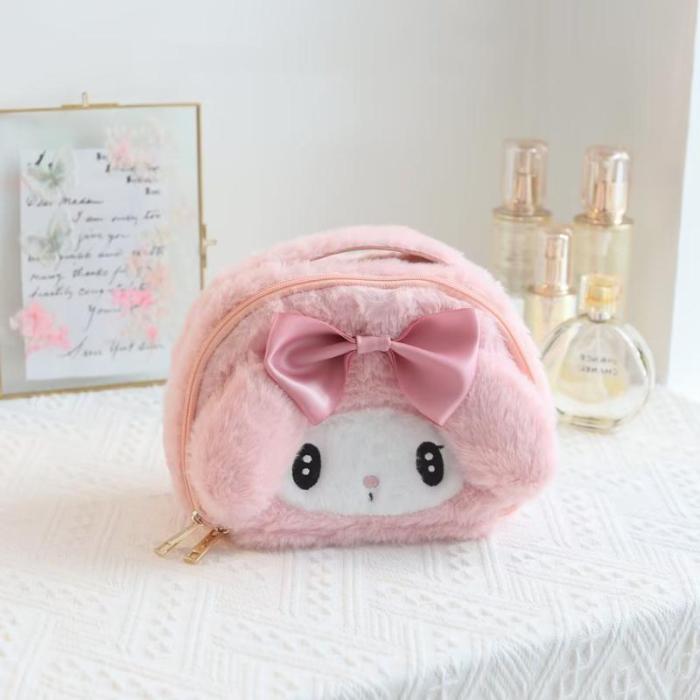
In conclusion, the Japanese beauty organizer aesthetic transcends mere organization; it’s a philosophy that merges beauty, functionality, and cultural influences. The meticulous attention to detail, emphasis on minimalism, and integration of natural elements create a space that is both calming and productive. By understanding its core principles and practical applications, readers can seamlessly integrate this aesthetic into their own beauty routines and spaces, transforming their self-care rituals into a mindful and aesthetically pleasing experience.
